

Sell your studio's games, video or content to AI
Mercor Data lists game studios, video producers, publishers and photo studios, each with its own range. Patronus AI takes released games. Telegraph names media.
Last checked November 5, 2026
Yes, if you hold the rights. Mercor Data lists game studios, video production studios, publishers and consumer brands, each with its own range. Patronus AI takes the code and assets behind a released game. Telegraph and Turing name media on their own pages.
In their own words
-

At least one shipped title that earns revenue
What its Game Studio listing looks for. Read November 5, 2026 -

The code, original assets and development history behind a released game.
What it licenses from games. Read November 5, 2026 -

Media & creative
One of the industries it targets. Read November 5, 2026 -

Media
An industry option on its intake form, next to Education. Read November 4, 2026


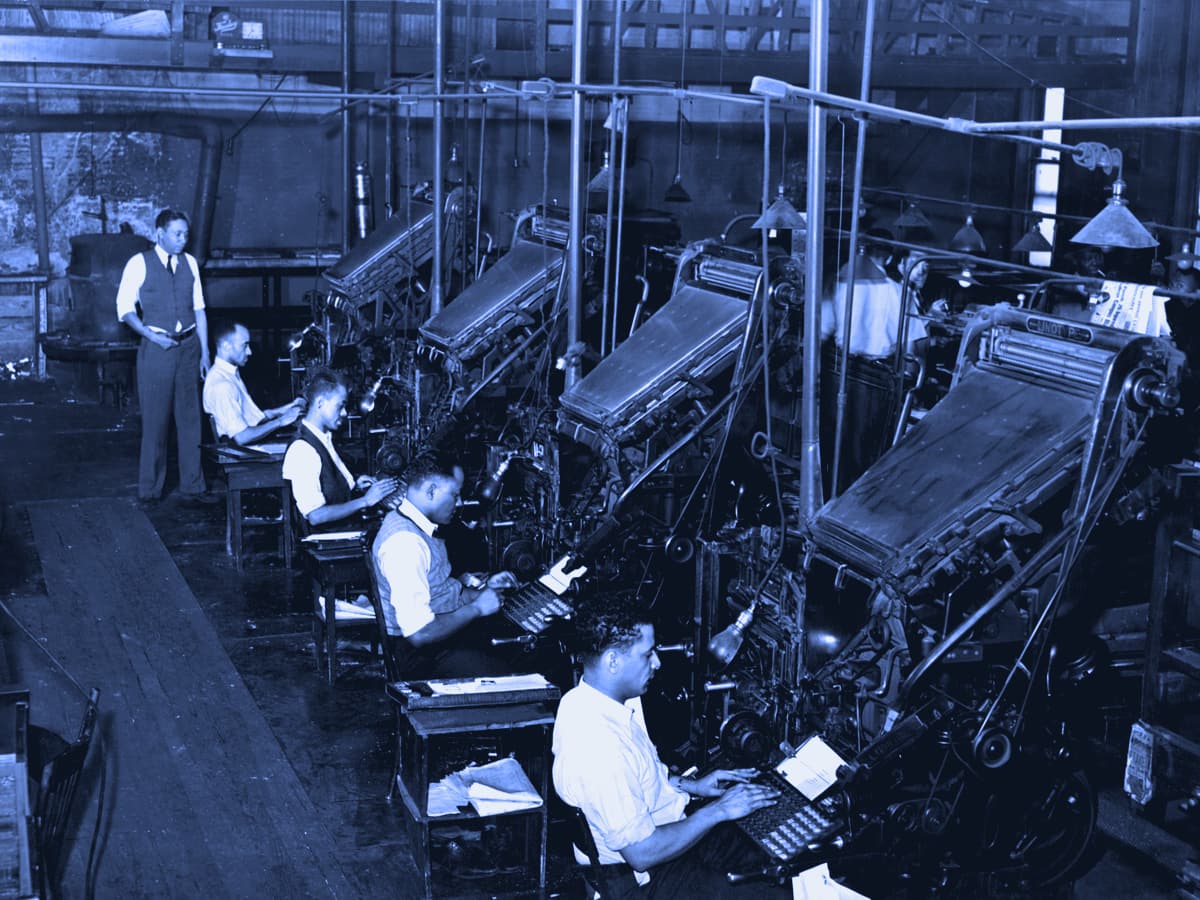
Mercor Data lists four kinds of media company
Mercor Data publishes one listing each for game studios, video producers, publishers and brands with image archives. All four take companies based anywhere, and two say multilingual content is welcome. The ranges are Mercor’s own, read November 5, 2026, and none is a quote.
- Game studio. 10 to 500 people, international studios welcome. At least one shipped title that earns revenue, a team of 10 or more working together rather than short-term contractors, and the records the studio owns: Slack or Discord, Jira, GitHub or Perforce and shared drives. Game and engine code, gameplay recordings synced with keyboard, mouse or controller input, full-length videos and trailers of your own games, and playtest telemetry all count. Not a fit: footage of other studios’ games, asset-store or template code, and crypto or play-to-earn projects. Range: $100K to $1M, with larger studios with full company data earning more.
- Video production studio. 5 to 500 people. Original footage the company owns outright, with appearance releases, 100 or more hours, and a clear record of where each video came from. Videos of 30 minutes or longer are in the shortest supply, and raw footage kept next to the final edit is a plus. Not a fit: downloaded or third-party clips, and content under non-commercial or no-derivatives licenses. Range: $95K to $870K, depending on hours and rights.
- Publisher or education company. 10 to 500 people. Long-form text, courses or video the company holds the training rights to, hundreds of titles or hours. Recent research that isn’t open access, STEM textbooks and lecture recordings, and medical education video with transcripts are named first. Not a fit: content distributed under someone else’s license, or already open access. Range: $35K to $370K, depending on catalog size and rights.
- Consumer brand or photo studio. 10 to 500 people. Thousands of original high-resolution images the company owns, with model and usage releases, grouped by product or campaign, with layered PSD, AI or Figma sources where you have them. Not a fit: stock or licensed imagery, and images without usage rights. Range: $30K to $800K.
Patronus AI takes the game itself
Patronus AI licenses “the code, original assets and development history behind a released game” for its own research, with a written offer after a sample review and payment when it accepts the material. The license is non-exclusive, so the game stays on sale. Who owns the game, and what your engine’s terms allow, decide whether you can sign: Unreal dropped its ban on AI training on October 29, 2026, and Unity’s terms still ask for prior authorization. The game guide and the game license check walk through both.
A studio can take both routes. Patronus wants the game; Mercor’s listing wants the studio’s whole record, the game and engine code included.
Rights are the whole question
These listings all turn on the same thing. Mercor’s publisher listing asks “What do you hold the training rights to?”, its video listing asks whether you hold appearance releases, its brand listing asks about model and usage releases, and its game listing asks whether you own the game and engine code outright. A production company that shot footage for a client, a publisher that distributes under someone else’s license, or a studio built on a publisher’s IP has less to license than its archive suggests.
Write down each title, who owns it and what the contract says before you talk to anyone. Licensed music, fonts, characters and middleware come out, and so do player accounts and chat logs, which hold personal data. The rights checklist covers the contracts to check.
Telegraph and Turing name media too
Telegraph lists media and creative among the industries it targets and takes company drives, chat and business software, so a studio’s Slack or Discord, Jira, shared drives and Figma files fit there as company records. Turing lists media on its intake form and buys the whole operating record, including source code and design files. Neither publishes a listing for the footage or the catalog itself.
What they’ll ask you
For a studio: how many titles you’ve shipped and whether they earn revenue, how many people work there and which tools they use, whether you own the code outright, and whether you record gameplay or playtests with input logs. For a video company: how many hours you own outright, what lengths and formats, whether you hold appearance releases, and whether you keep raw footage as well as edits. For a publisher: what you hold the training rights to, how many titles or hours, which subjects and languages, and whether any of it is already licensed for AI training.
Sources
- Mercor Data, Game Studio listing checked November 5, 2026
- Mercor Data, Video Production Studio listing checked November 5, 2026
- Mercor Data, Publisher or Education Company listing checked November 5, 2026
- Mercor Data, Consumer Brand or Photo Studio listing checked November 5, 2026
- Patronus AI, Data partnerships checked November 5, 2026
- Telegraph, Data partnerships checked November 5, 2026
- Turing, Business data acquisition checked November 4, 2026
Questions owners ask
Can a game studio sell its game to AI companies and keep selling it?
Yes. Both routes are licenses, so the game stays on sale. Patronus AI licenses a released game's code, assets and history, and Mercor Data's game studio listing wants at least one shipped title that earns revenue, a team of 10 or more and the studio's own records.
Can a video company sell footage it downloaded or licensed from others?
No. Mercor Data's video listing takes original footage the company owns, with appearance releases, and lists downloaded or third-party clips and content under non-commercial or no-derivatives licenses as not a fit.
Does open-access content count?
Not with Mercor Data. Its publisher listing wants content the company holds the rights to license for AI training, and lists content that is already open access, or distributed under someone else's license, as not a fit.