

Sell your lab's research records to AI companies
Mercor Data lists biotech labs, semiconductor and materials companies and R&D records, failed runs included. Scale and Handshake AI name science too.
Last checked November 5, 2026
Yes. Mercor Data lists biotech and life sciences labs, semiconductor and materials companies and chemistry R&D records, and it wants the failed experiments as much as the successful ones. Scale, Handshake AI and Telegraph name science and life sciences on their own pages.
In their own words
-

Electronic lab notebooks or structured experiment records the organization owns
What its Biotech & Life Sciences Lab listing looks for. Read November 5, 2026 -

Scientific Research
Under Healthcare & Science, next to Healthcare & Life Sciences. Read November 5, 2026 -

Pharmaceuticals & life sciences
One of the industries on its data partnerships page. Read November 5, 2026 -

Healthcare & life sciences
One of the industries it targets. Read November 5, 2026


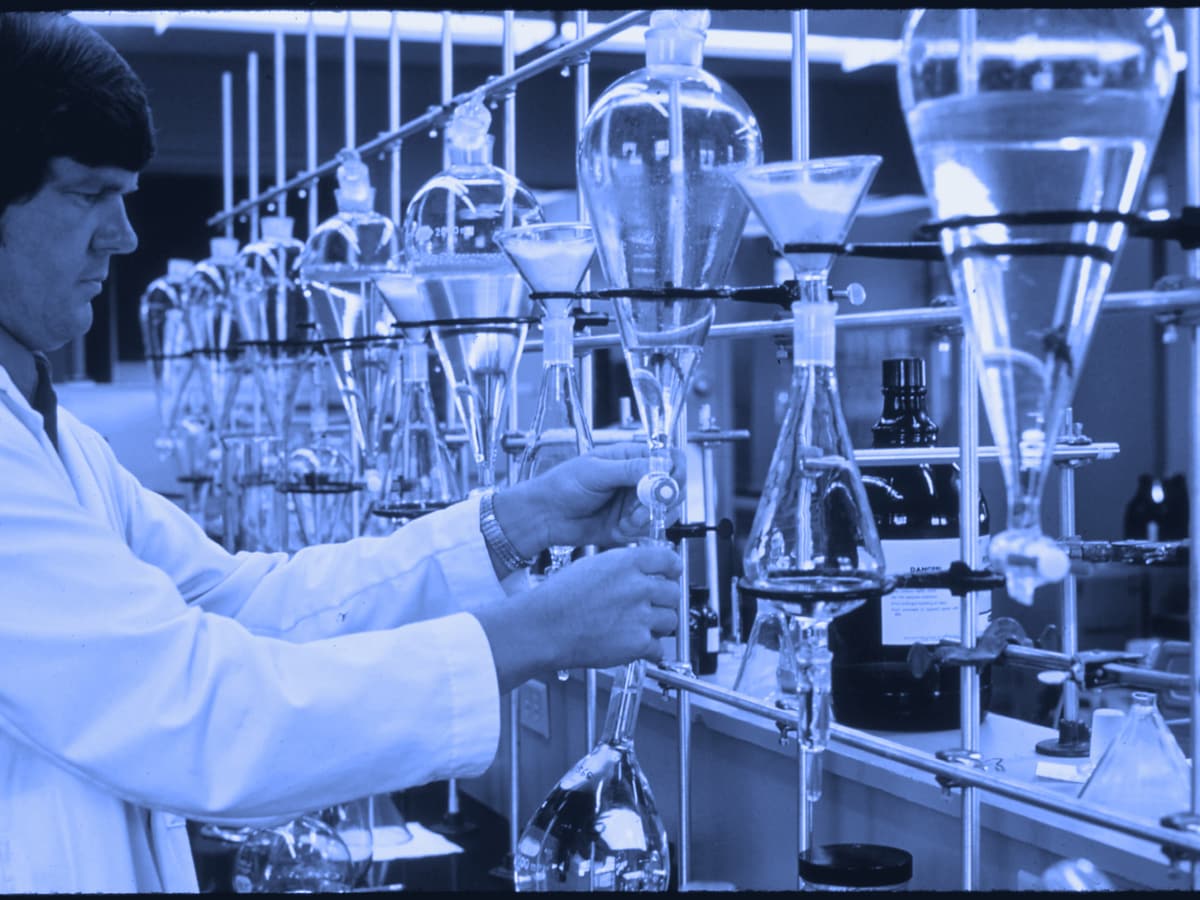
Mercor Data lists labs, fabs and R&D records
Mercor Data publishes three listings for research organizations. Each says what the records have to include, what isn’t a fit and what a company earns. The ranges are Mercor’s own, read November 5, 2026, and none is a quote.
- Biotech and life sciences lab. 10 to 1,000 people, anywhere. Biotech and biopharma, CROs, genomics and diagnostics labs, consumer genomics companies and academic spin-outs. It wants electronic lab notebooks or structured experiment records the organization owns, 1,000 or more runs with their inputs and measured outcomes, failed runs included, and data that hasn’t been published. Mercor’s range: $50K to $875K, depending on volume and depth.
- Semiconductor and materials company. 10 to 2,000 people, anywhere. Fabs and foundries, device makers in solar, photonics, quantum and power electronics, fabless chip designers, equipment makers, and materials and battery labs. It wants run or build records that link each recipe or process setting to a measured result, 1,000 or more runs, wafers or experiments, with the failed builds and repeat runs kept and dated. Mercor’s range: $100K to $750K, depending on run count and how well runs link to results.
- Chemistry and materials R&D records. No size or location published. Mercor wants the reasoning behind the work: dated notebooks, experiment plans, versioned protocols, raw instrument outputs linked to sample IDs, analysis code, failed and null results with the troubleshooting that followed, and the stop or go decisions on each project. Priority domains are materials, chemistry and batteries, preclinical biology, computational science, process R&D, agriculture and climate, and clinical research. Mercor’s range: $10K to $300K.
Tools Mercor names: Benchling, LabArchives, Dotmatics, LIMS and Medidata Rave for labs; MES, SPC and yield systems, LIMS, electronic lab notebooks, Cadence, Synopsys and OSIsoft PI for fabs.
Who owns the data decides most of it
Three things rule a lab out of Mercor’s listings. Data owned by a sponsor, a partner, a customer or a foundry partner. Data that has already been published, or published papers and datasheets on their own. And licensed third-party IP. For a CRO or an academic spin-out, read the sponsored research agreement and the license from the university before you count your records.
The lab listing also leaves out device and AI software companies whose data is mainly software logs. Those fit the software page instead.
Wound-down labs are a strong fit
Mercor’s lab listing says “biotechs that have wound down and labs with years of archived work are a strong fit”, and its semiconductor listing says labs and startups that have wound down qualify. The records have to survive the shutdown: keep the notebook system, the LIMS exports and the shared drives until a license is signed, and settle who can sign for a closed company first. Mercor connects to your systems to run the export, so a lab with no accounts and no exports left has no records left to license.
What they’ll ask you
Mercor’s scoping questions for labs and fabs come down to four. Which records you keep and in which systems. Roughly how many runs or experiments, over how many years. Whether you kept failed builds and repeat runs, and whether you own the data outright. Whether any of it is patient-level or genomic data, and under what consent.
Patient-level and genomic data carry their own rules. The healthcare page covers HIPAA’s authorization and de-identification rules, and Mercor’s listing asks for research consent on genomic data.
Scale, Handshake AI and Telegraph name science too
Scale lists “Scientific Research” next to healthcare and life sciences, prefers 40 or more employees and de-identifies records inside your environment before anything is extracted. Handshake AI names pharmaceuticals and life sciences among its industries and asks for 20 or more full-time employees and 3 or more years in operation. Telegraph names healthcare and life sciences and takes company drives, including the CAD files, calculations and reports a lab keeps next to its notebooks.
Those three license the records of running the organization: the documents and SOPs, the shared drives, the email and the chat around the experiments. Mercor’s listings go after the experiments themselves.
Sources
- Mercor Data, Biotech & Life Sciences Lab listing checked November 5, 2026
- Mercor Data, Semiconductor & Materials Company listing checked November 5, 2026
- Mercor Data, Chemistry and materials R&D records listing checked November 5, 2026
- Scale AI, Data Partnerships checked November 5, 2026
- Handshake AI, Data Partnerships checked November 5, 2026
- Telegraph, Data partnerships checked November 5, 2026
Questions owners ask
Can a biotech that has shut down sell its research records?
Yes. Mercor Data's lab listing says biotechs that have wound down and labs with years of archived work are a strong fit, and its semiconductor listing says labs and startups that have wound down qualify. Someone with the authority to license the records has to sign.
Do failed experiments have any value?
Mercor Data says failed experiments are as valuable as successful ones, and asks for "every build kept, failed ones included, with dates." Lab notebooks that explain why a build failed are named as especially useful.
Can a lab license data it has already published?
Not with Mercor Data. Its lab and semiconductor listings take only data that hasn't been published, and published papers and datasheets alone are listed as not a fit.