How to sell your company's data to AI companies
AI companies pay six- and seven-figure sums to license a company's Slack, email, tickets and docs. Learn how a sale runs and see who would pay for yours.
Last checked November 12, 2026

AI companies license a company’s working records, such as Slack or Teams history, email, support tickets, wikis and CRM notes, to teach their models how real work gets done. This is a company licensing its own records, not selling its customers’ personal data. You license a copy, the buyer removes personal details, and published payouts reach into the millions. Further down, you can answer one set of questions and get matched with several potential buyers.
AI companies pay for records of how your team works
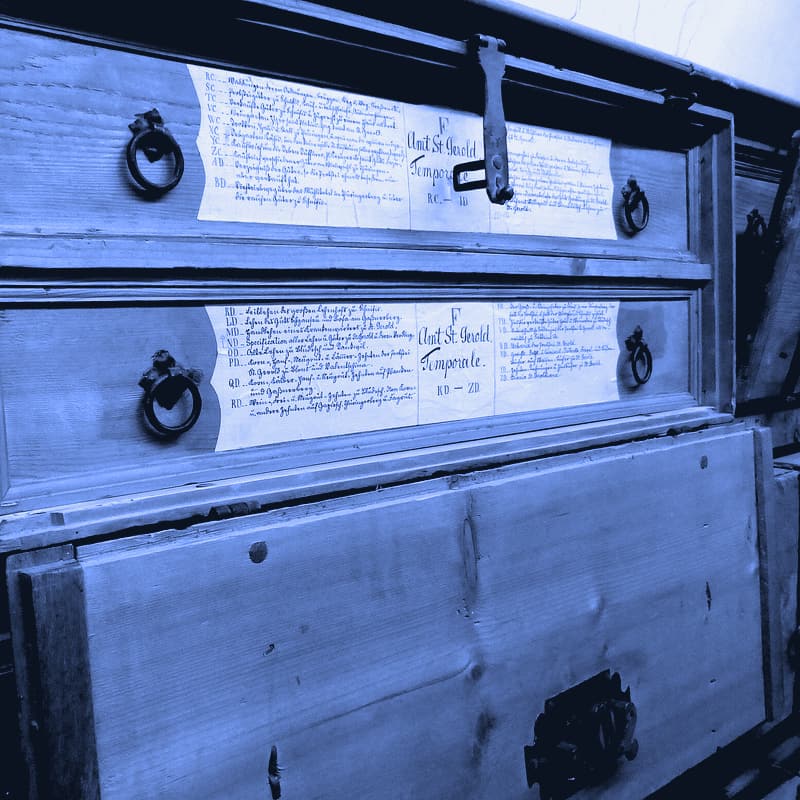
Models learn from examples, and the public web has few examples of a support team closing a ticket or a finance team closing the books. Business records have thousands of them, which is why AI companies pay for them.
micro1 asks for “internal communications, SOPs, project histories, CRM records, support tickets.” Maryah sorts what it takes into conversations, documents, sales, support, projects and transactions, and adds: “You don’t need every type. We review what your business has.”
Private source code sells too, through its own buyers: where to sell source code compares the routes. Crews that work with their hands have one more option, and can get paid to film their work.

Size, language and country decide which buyers are open to you
Size matters because more people leave more examples. micro1 looks for “established companies with 30+ full-time employees” that operate in English, and its demand is “strongest for companies based in the United States, United Kingdom, and Canada.”
Other buyers draw the line elsewhere. Telegraph says it works “across industries and company sizes” and that eligibility depends on “the usefulness of the records and your authority to license them.” Maryah publishes no size threshold. Smaller teams and companies outside the US still have routes, so check the terms before you rule yourself out.

See which AI companies would take your records
Answer up to eleven questions and get matched with several potential buyers at once. It's free, and we never email or call you first.
A company shows up here once your answers meet everything it asks for.
Your answers stay anonymous unless you ask for an introduction.
micro1 and Telegraph publish payouts from $100,000 to $4 million
micro1 publishes three tiers: $100K to $500K for a qualified partnership, $500K to $3M for large-scale datasets or ongoing participation across teams, and $3M+ for “highly unique, proprietary operational data.” Telegraph targets deals of $100K to $4M and lists what it paid: $350K to a 60-person accounting firm, $450K to a 70-person engineering firm and $650K to a 100-person freight broker.
These are ranges and past examples, not quotes. Each buyer prices your records after it reviews a sample, and how much company data is worth lays out the public deals, from $25,000 to $10 million. The worth estimator lets you compare estimates from several potential buyers side by side, and how AI data buyers estimate payouts shows what moves each formula.
You license a copy and keep the originals
A data license gives the buyer the right to use a copy for training. Telegraph says you license an “agreed copy” and “keep your original files and ownership.” For code, Pangea’s standard license is non-exclusive, so “the same codebase may be licensed more than once.”
Some buyers ask for exclusivity. SourceX licenses are “exclusive for AI training”: you agree not to license the selected records to anyone else for that purpose. Telegraph says “any exclusivity must be explicitly agreed.” Exclusive or non-exclusive sets out what each company asks for.
The buyer removes personal details from what it takes
Most buyers do the de-identification themselves. micro1 says companies don’t need to anonymize records first, because it “has processes for de-identifying and transforming sensitive information.” Mercor Data says its extraction and anonymization process “is fully automated.” Telegraph excludes, redacts or replaces identifiers, and says plainly that de-identification “cannot guarantee that re-identification is impossible.”
What you can license still depends on what you promised. Client contracts, your own privacy policy and records that belong to someone else can rule a folder out. The rights checklist goes through each one before you sign.
Payment comes after the buyer accepts the records
micro1 pays “in full within 30 days of acceptance.” Mercor Data pays by wire “upon delivery of the anonymized dataset,” typically within two to four weeks of the signed agreement. SourceX usually pays a one-time fee with no royalties, due within 60 days of a valid invoice. Maryah lets you choose one payment or a share of licensing revenue.
Ask your accountant how the payment will be taxed before you sign. A license fee and the sale of an asset can be treated differently.
Seven steps take a company from inventory to payment
- List what you have. Write down each tool, the years of history in it and your headcount at peak. The records summary builds that list in your browser.
- Check that you can license it. Someone with authority signs for the company, and client contracts and privacy promises have to allow it. The rights check walks through the questions.
- Keep the history intact. Free plans and deleted accounts trim what buyers want. If the company is closing, export before anyone cancels and watch the deletion clock.
- See who would take your records. Answer the questions above. Dataconto compares your answers with the terms each AI company publishes and matches you with several of them at once.
- Compare estimates. Run the worth estimator to see each buyer’s own estimate for a company like yours.
- Share a sample through the buyer’s process. Some connect to your tools, some work inside your live systems and others take an export. The buyer reviews it and makes an offer.
- Sign, deliver and get paid. Read the scope, the term and any exclusivity before you sign. If an offer arrives with a short deadline, run it through the offer check first.
Four mistakes end a sale before it starts
- The workspace gets downgraded or deleted to save money. Slack’s free plan removes older history, and deleted Google Workspace users can be restored only for a short time. Selling after shutdown has each tool’s clock.
- Someone without authority signs. A buyer licenses from the company, so a director or officeholder has to sign. Who can sign for a closed company covers each case.
- Client files end up in the sample. Client deliverables and third-party documents often can’t be licensed, so flag them before a buyer sees anything.
- A deadline offer gets signed in a rush. Compare it with what other buyers publish before you agree to anything.
Dataconto matches you with several buyers from one set of answers
Dataconto is free for owners. You answer one set of questions, see which AI companies fit, and ask us to introduce you to the ones you pick. Your records go straight to the buyer you choose, and we never email or call you first.
Buyers in this guide
Sources
- micro1, Enterprise Data Partnership, checked November 12, 2026
- Telegraph Lab, Data Partnerships, checked November 12, 2026
- Mercor Data, company data program (payment and process), checked November 12, 2026
- SourceX, FAQ, checked November 12, 2026
- Maryah, business data, checked November 12, 2026
- Pangea, code licensing for companies, checked November 12, 2026
More guides
- Acqui-hired? What happens to the old company's records
- Before you license company data to AI: a rights checklist

- Can a company in administration or bankruptcy sell its data?