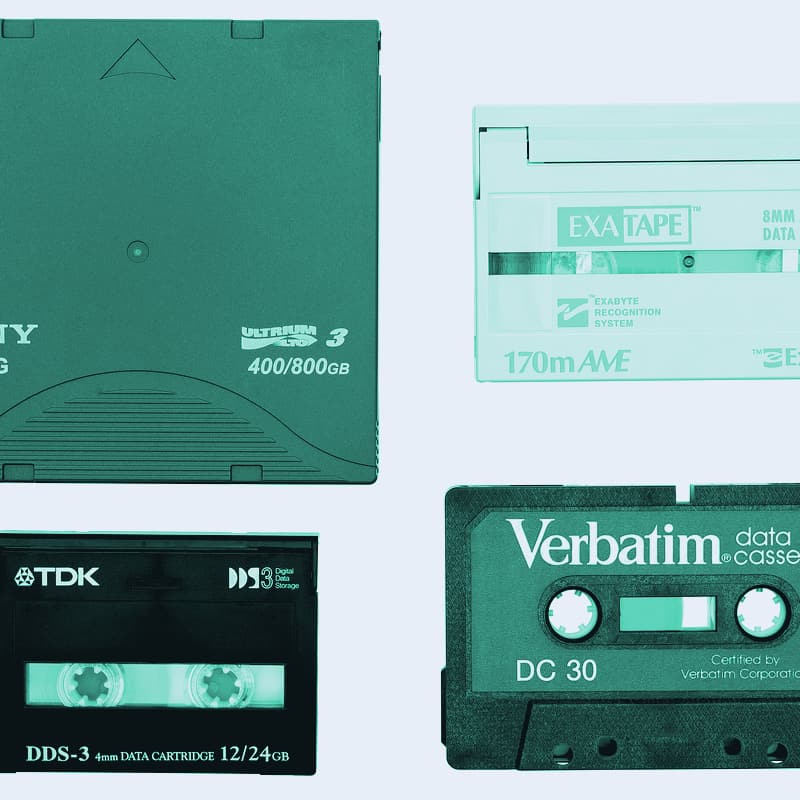
Where to sell your source code and what each place takes
Marketplaces sell copies, business sites sell the whole app, and AI labs license private code with its history. Fees and catches for each, checked today.
Last checked October 28, 2026
Where you sell source code depends on what you’re selling. A script, plugin or game asset sells as copies on a marketplace. An app with users sells as a business. A private codebase sells as a license to AI labs, which pay for the code and its git history even when nobody wants to run the product.
Three ways to sell code, compared
| Where | What you sell | Fees or pay | The catch |
|---|---|---|---|
| CodeCanyon | Copies of a script or plugin | 50% of your item price | Every item is reviewed |
| Unity Asset Store | Copies of a Unity tool | 30% (you keep 70%) | No GPL or LGPL dependencies |
| Fab | Copies of an Unreal plugin | 12% (you keep 88%) | Every listing is reviewed |
| Gumroad | Copies, from your own page | 10% + $0.50, or 30% through its marketplace | You bring the customers |
| Lemon Squeezy | Copies, with license keys | 5% + 50¢ | You bring the customers |
| Flippa | The whole app | From $29 to list, 10% when it sells | It needs users or revenue |
| Acquire.com | The whole business | $25 to $100 a month, 6% to 8% when it sells | Built for SaaS with revenue |
| Microns.io | The whole business | No listing fee, 6% to 10% when it sells | Profitable projects only |
| Pangea | A license to a private repo | Pays $100 per million tokens of source, $40 of history | The repo must never have been public |
Fees from each company’s own pages, checked October 28, 2026.
Sell copies of a script, plugin or asset
A marketplace sells the same code to many people, each under a license. You keep the code and get paid per sale.
- CodeCanyon (Envato) takes a 50% author fee on your item price, and adds a fixed buyer fee on top of the price customers see. Every author pays the same 50% and sells non-exclusively, so you can list the same item elsewhere. Articles that quote 12.5% to 37.5% describe an exclusive tier Envato no longer offers. Envato reviews every item, can reject it, and pays monthly once you pass $50.
- Unity Asset Store pays you 70% of the sale price, monthly through PayPal. Publication isn’t guaranteed. Unity rejects packages that depend on GPL, LGPL or other licenses that require attribution or open source, so check what your tool is built on.
- Fab, Epic’s marketplace, pays you 88% about 30 days after each month ends, once you pass $100. A code plugin needs at least one code module, and every listing is reviewed.
- Your own store on Gumroad costs 10% + $0.50 a sale through your own link, or 30% when Gumroad’s marketplace finds the customer. Lemon Squeezy costs 5% + 50¢ a sale, issues license keys after each sale and pays twice a month. Neither reviews your code, and neither brings you buyers.
Sell the whole app as a business
A business sale hands over the code with everything around it: users, revenue, the domain and the brand. The price follows the revenue, not the code.
- Flippa listings start at $29 for 60 days, with a 10% success fee on self-service sales. It may turn away some assets, such as cloned apps.
- Acquire.com charges $25 a month to list a business under $250,000 and 8% when it closes, falling to 6% and $100 a month above $1 million. You pay the closing fee only if it sells, and Acquire.com pays for escrow.
- Microns.io has no listing fee and charges 10%, 8% or 6% on a successful sale, depending on the price. It takes only profitable projects at least five months old with paying customers, priced from $1,000 to $1 million.
License private code to AI labs
AI labs license private code to train coding models. They pay for the code itself, by size and history, so a product nobody uses can still earn. The license is a copy: you keep the repo and can still sell the app.
- Pangea publishes rates of $100 per million tokens of source code and $40 per million tokens of git history. Its own illustration is roughly $1,000 to $1,500 per repository at typical depth, which it labels “not a quote”. It takes only code you own that was never public, and no forks or client work. The worth calculator applies these rates to your repos.
- Miro Advisory takes a company’s private codebase with its commits, pull requests and reviews, at an indicative $10,000 to $1 million or more. Retired products and inactive repos qualify, and Miro says source without its history is worth less.
- Grepped takes codebases as part of a company’s business records, with their commits, reviews and issues.
Code you’ve already sold as copies has been handed to strangers. Say so when you submit it for an AI license, since it may not count as never public.
Pick the route that fits your code
- A plugin, script or template other developers drop in: CodeCanyon, or your own store if you have an audience.
- A Unity or Unreal tool: the Unity Asset Store or Fab.
- An app with users or revenue: Flippa, Acquire.com or Microns.io. You can license the code to AI labs before you sell the business.
- A private codebase with no market as a product: an AI license. It’s the only route that pays for code nobody runs.
- An open-source project: it can’t be sold as private code. GitHub Sponsors takes no fee on sponsorships from personal accounts.
GitHub Marketplace sells subscriptions to apps that run on GitHub, not their source code. GitHub keeps 5%, and paid plans need a verified organization.
Check three things before you list anywhere
- You own it. Every marketplace makes you promise you hold the rights. Code written for an employer or a client usually isn’t yours to sell.
- Its licenses allow it. Open-source dependencies come with terms. Unity turns away GPL and LGPL code, and an AI license excludes code that was ever public.
- The history is intact. Marketplaces want the latest version. AI labs pay for every version, so keep the full git history and don’t squash it.
Sources
- Envato, introduction to earnings checked October 28, 2026
- Envato, pricing your items checked October 28, 2026
- Envato Market author terms checked October 28, 2026
- Unity Asset Store provider agreement checked October 28, 2026
- Unity Asset Store submission guidelines checked October 28, 2026
- Fab, get started as a publisher checked October 28, 2026
- Gumroad pricing checked October 28, 2026
- Lemon Squeezy pricing checked October 28, 2026
- Flippa pricing checked October 28, 2026
- Acquire.com seller pricing checked October 28, 2026
- Microns.io pricing checked October 28, 2026
- GitHub Docs, payment for GitHub Marketplace apps checked October 28, 2026
- GitHub Docs, about GitHub Sponsors checked October 28, 2026
- Pangea, code licensing for companies checked October 20, 2026
- Miro Advisory, codebases checked October 22, 2026
Buyers in this guide
More guides
- How much is my GitHub repo worth to AI labs?
- How per-token code pricing works
- Sell a private GitHub, GitLab or Bitbucket repo to AI labs